
Italian Culture
The Italian Befana: A Beloved Epiphany Tradition
Jan
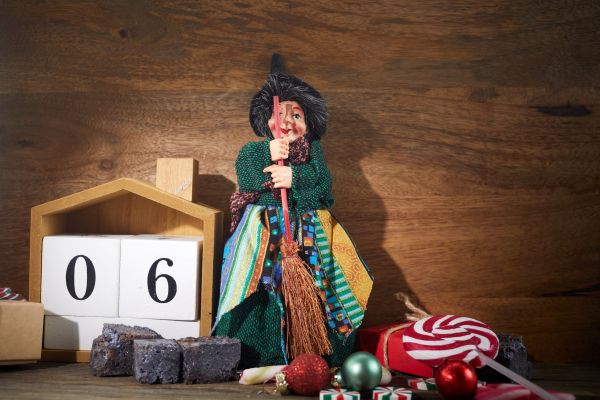
Every January 6th, Italy celebrates one of its most charming and enduring traditions: La Befana. This folklore figure, often depicted as an old woman flying on a broomstick, brings gifts and sweets to children across the country on the night before the Epiphany.
Origins of Befana
The word Befana is closely related to Epifania (Epiphany), celebrated on January 6 to commemorate the visitation of the Three Wise Men – also known as the Magi, to baby Jesus. Over time, the word Epifania evolved in the vernacular into Befania, and eventually became Befana, as it is known today.
The legend of Befana dates back centuries, blending pagan and Christian traditions. According to the most popular tale, the Three Wise Men stopped at her home on their journey to visit the Christ child. They invited her to join them, but she declined, saying she was too busy with housework. Later, she regretted her decision and set out to find them, bringing gifts for baby Jesus. Though she never found them, she continues her search each year, leaving presents for good children, and coal or black candy for those who misbehaved.
How Italians Celebrate
Epiphany marks the end of the Christmas season in Italy, and Befana’s arrival is celebrated with joy and festivity.
Stockings and sweets: children hang stockings by the fireplace or near their beds, hoping to find them filled with chocolates, candies, and small toys in the morning.
Markets and parades: Many towns host Epiphany markets and parades featuring people dressed as La Befana, handing out treats and posing for photos.
Traditional foods: Families enjoy seasonal Christmas sweets like panettone, torrone, and other regional specialities, such as the befanini – colourful cookies shaped like stars, stockings, or the Befana herself.
Symbolism and Modern Meaning
La Befana represents generosity, renewal, and the closing of the festive season. Her story reminds people of the importance of kindness, forgiveness, and the joy of giving. Today, she remains a beloved symbol of Italian folklore, bridging the gap between ancient customs and modern celebrations.
FOCUS IT: https://www.focus.it/cultura/curiosita/epifania-le-origini-della-festa-della-befana
LA CUCINA ITALIANA: https://www.lacucinaitaliana.it/news/in-primo-piano/befana-storia-tradizioni-e-piatti-tipici/
STUDENTI IT: https://www.studenti.it/epifania-giorno-sinonimo-significato-simbolico-befana.html
THE SPECTATOR: https://spectator.com/article/the-ancient-roots-of-italys-festa-della-befana/