
Italian Culture
From Genoa to the World: The Legacy of Gino Paoli
Mar
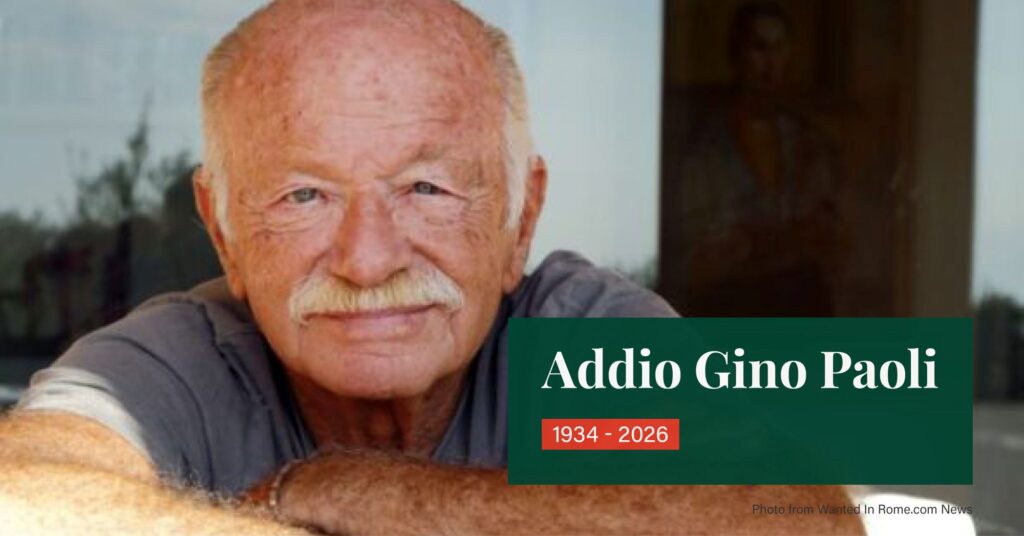
The passing of Gino Paoli marks the end of an era in Italian music. A towering figure in the cultural landscape of the 20th century, Paoli’s songs captured the essence of love, melancholy, and introspection that defined the golden age of Italian song writing. His death is not only a loss for fans but also a moment to reflect on the profound influence he had on generations of musicians and listeners alike.
The Legacy of a “Cantautore”
In Italian music, the term “cantautore” refers to a singer-songwriter who writes and performs their own songs, often blending poetic lyrics with personal or social themes. Unlike traditional pop performers, cantautori (plural of cantautore) are storytellers and poets who use music as a vehicle for self-expression and commentary on the human condition. The movement gained prominence in the 1960s and 1970s, shaping Italy’s cultural identity through artists like Fabrizio De André, Luigi Tenco, and Gino Paoli himself.
Gino Paoli and the Spirit of Genoa
Gino Paoli’s story is inseparable from the city of Genoa, his birthplace and the cradle of a generation of extraordinary singer-songwriters. Alongside Fabrizio De André, Bruno Lauzi, and Luigi Tenco, Paoli was part of what became known as the “Scuola Genovese” – the Genoese School – a movement that revolutionised Italian music through poetic realism and emotional depth.
Genoa’s narrow streets, sea breeze, and working-class soul deeply influenced Paoli’s songwriting. The city’s atmosphere of introspection and quiet melancholy can be felt in his melodies and lyrics, which often evoke the rhythm of the sea and the solitude of its port. For Paoli, Genoa was not just a hometown but a muse – a place that shaped his artistic identity and gave his music its distinctive tone of sincerity and nostalgia.
Gino Paoli’s Contribution
Gino Paoli embodied the spirit of the cantautore. His songs were intimate, emotional, and deeply human. With timeless pieces such as Il cielo in una stanza and Sapore di sale, Paoli transformed everyday emotions into universal experiences. His lyrics often explored solitude, love, and the fleeting nature of happiness, resonating with audiences across generations.
Paoli’s minimalist style and poetic sensibility helped redefine Italian popular music, moving it away from formulaic pop toward a more introspective and literary form. His collaborations with other great artists of his time further cemented his role as a central figure in the evolution of Italian songwriting.
A Cultural Farewell
Gino Paoli’s death closes a chapter in Italy’s musical history, but his influence endures. His work continues to inspire new generations of artists who see in him the model of authenticity and artistic integrity. The cantautore tradition he helped shape remains one of Italy’s most distinctive contributions to world music – a testament to the power of words and melody to express the deepest truths of the human heart.
And in Genoa, the city that gave him his voice, his songs will forever echo through the alleys and along the sea, a reminder of the poet who turned life’s simplest moments into timeless art.
References
- Baroni, M. (2010). La canzone italiana: storia e analisi. Milano: Mondadori.
- Fabbri, F. (2008). Il suono in cui viviamo: saggi sulla popular music. Milano: Il Saggiatore.
- Rizzo, S. (2015). La scuola genovese: De André, Paoli, Tenco e gli altri. Genova: De Ferrari Editore.
- Rai Cultura. (2024). Gino Paoli e la nascita del cantautore italiano. Retrieved from raicultura.it
- Treccani Enciclopedia Italiana. (n.d.). Paoli, Gino. Retrieved from treccani.it